Sensor power supply
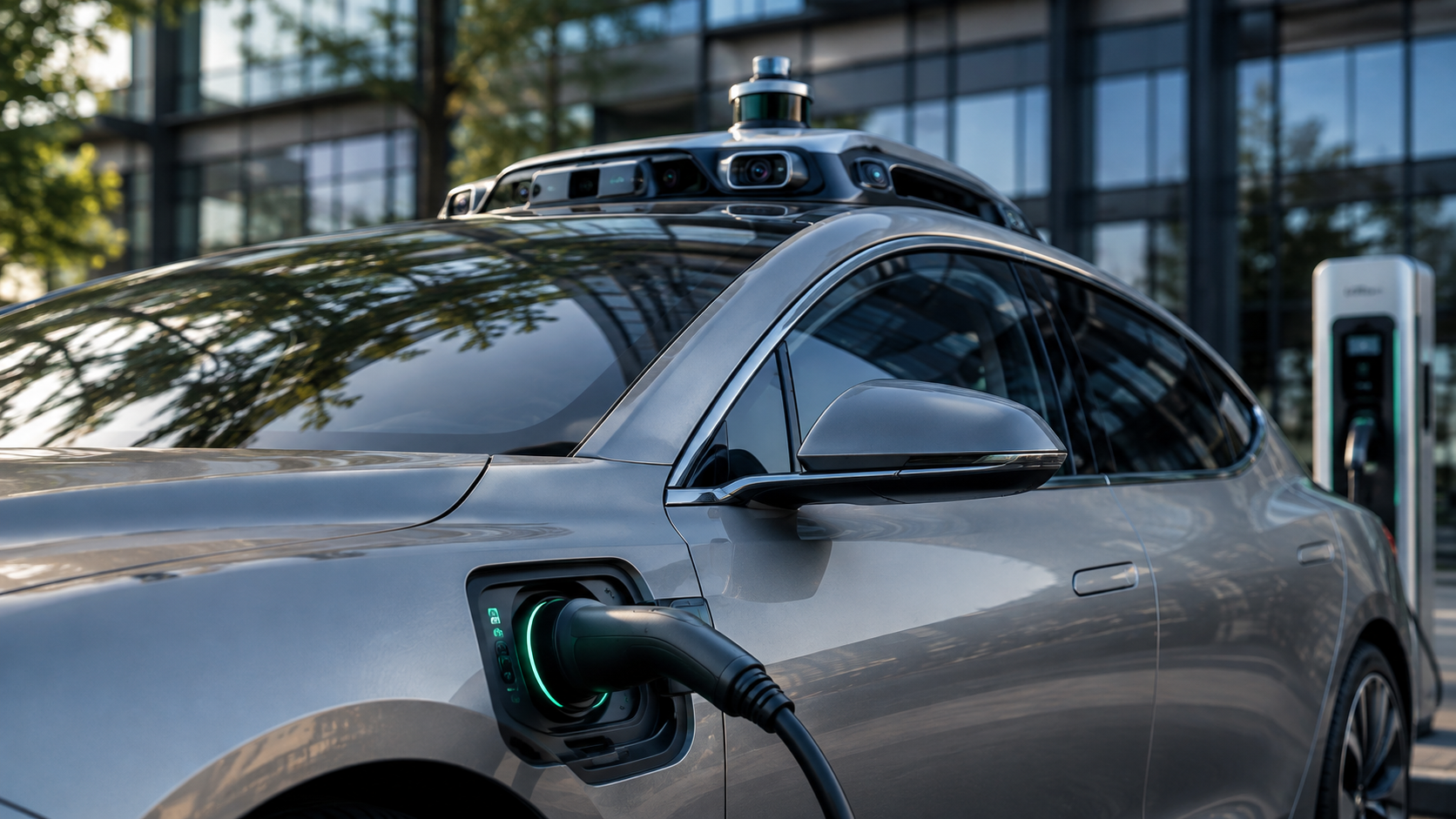
Cameras, LiDARs and control computers need clean, stable voltage. An alternator is orders of magnitude less stable than a converter supplied by the traction battery.
The automotive industry is transforming three things at once, and each of them depends on the other two. The electric platform is the hardware foundation. Software-defined architecture is the car’s digital brain. Autonomous driving runs on top of it.
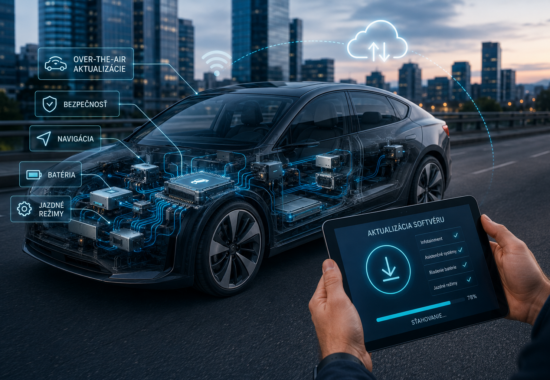
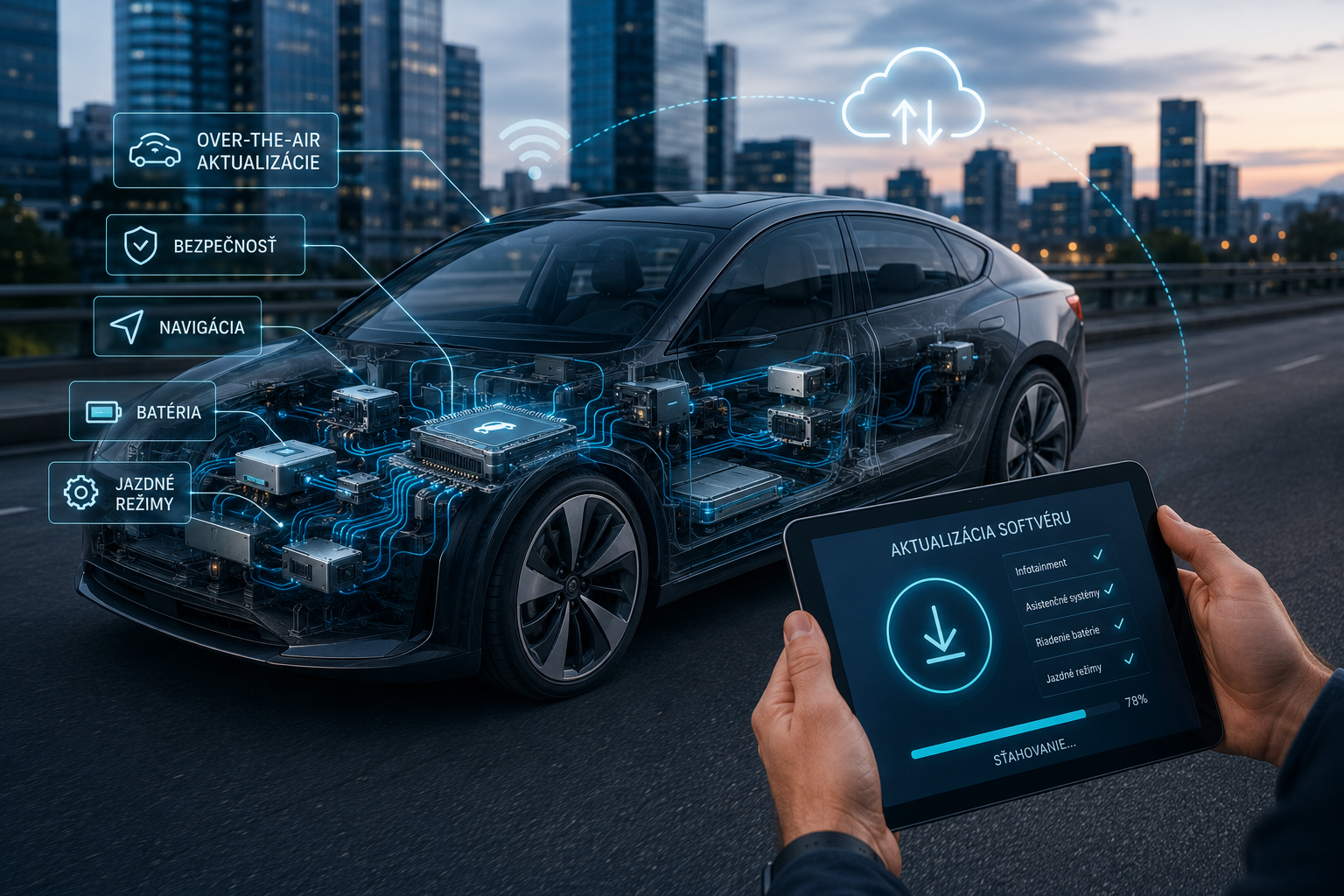
In a software-defined vehicle (SDV), functions are no longer controlled by dozens of distributed units, but by a small number of powerful computers. New features can be added over the internet even years after the vehicle leaves the production line. Value in the industry is shifting from the combustion engine to electric propulsion, and from hardware to software, data and services.
Slovakia produced more than 1.07 million cars in 2025 and, with 196 vehicles produced per 1,000 inhabitants, remains the global leader in per-capita vehicle production. Whether it can retain this position in the next wave of transformation will be decided in software.
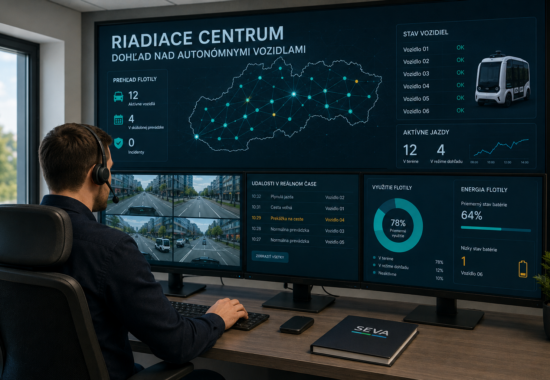
A legal framework has been established for both test and commercial operations of fully automated vehicles. Does this mean the arrival of robotaxis?
The new regulation stipulates that automated driving must be at least as safe as an attentive driver.
The amendment to three laws is intended to pave the way for the testing and commercial operation of driverless cars. The deadline for its implementation is tight.
Slovak industry knows how to build cars. The open question is whether it will also have a seat at the table where the rules are written and the software is developed.
In March 2025, the European Commission announced the ECAVA alliance (European Connected and Autonomous Vehicle Alliance) and formally launched it in September. Its role is to coordinate development and investment in software-defined vehicles, automotive hardware, artificial intelligence and data, as well as the deployment of autonomous vehicles, while providing input for European legislation.
In parallel, an initiative is developing an open European software platform for SDVs, with the goal of bringing it into series production by 2030. Those who do not get involved now may later find themselves simply adopting decisions made elsewhere.
Meanwhile, Slovakia is working on legislation for fully automated vehicles. An amendment to three laws is intended to create a pathway from testing outside public roads to the commercial transport of passengers and goods. Slovakia could therefore become one of the first countries in the region with a complete legal framework for autonomous vehicle operation.
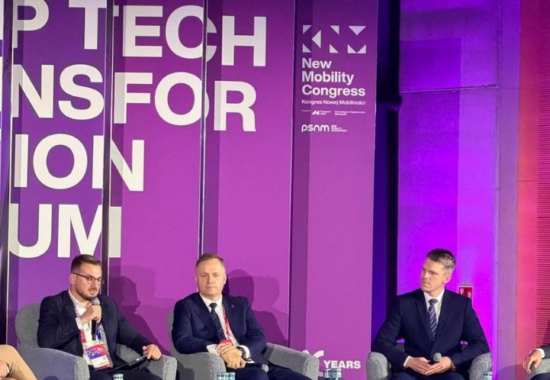
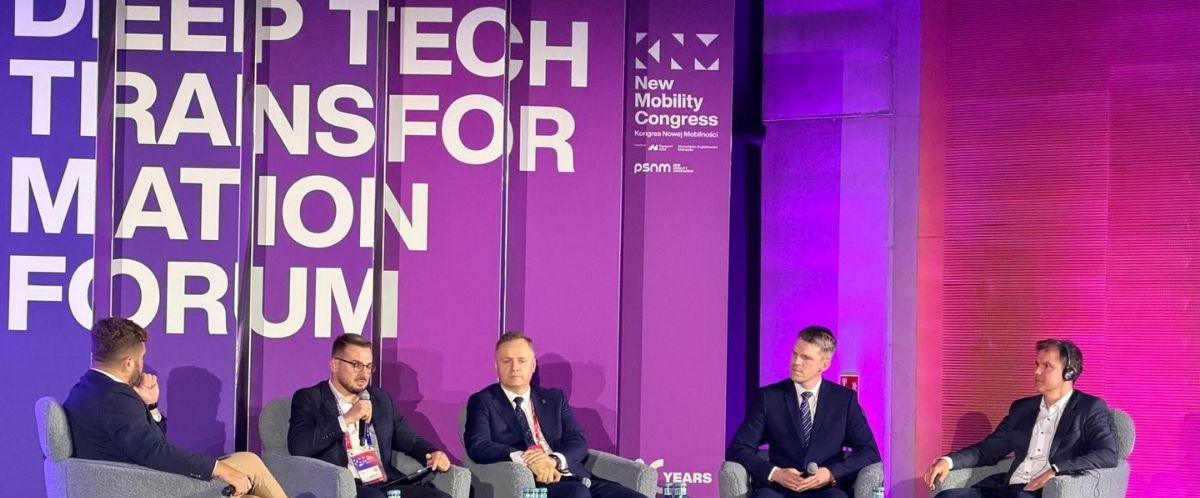
SEVA Director Patrik Križanský pointed out at the New Mobility 2026 Congress in Katowice that Europe does not have a problem with a lack of regulations. The real barrier lies between the law and the vehicle that someone can actually approve for real-world use.
4 min čítania
A car is no longer a finished product; it has become a platform that continues to evolve even years after it is sold.
2 min čítania
Slovakia is developing a legal framework for fully automated vehicles. What the path from vehicle approval to commercial operation will look like, and what is currently missing from the draft.
5 min čítaniaA peer-reviewed study in the World Electric Vehicle Journal (2025) compared how autonomous systems perform on electric and combustion-engine platforms. The difference is not about comfort, but about whether the system can operate reliably at all.
Full analysis →Cameras, LiDARs and control computers need clean, stable voltage. An alternator is orders of magnitude less stable than a converter supplied by the traction battery.
An autonomous vehicle must be able to “see” even when stationary. A lead-acid starter battery is quickly damaged by deep discharge.
An autonomous driving compute platform consumes 80 to 120 W. An electric vehicle already has liquid cooling circuits for the battery, motor and inverter.
Autonomous driving software is continuously improved. Starting an engine at night in an underground garage just to perform an update can conflict with noise and emissions regulations in many cities.
SEVA Academy brings together articles, guides, podcasts, videos and other expert materials created over the years by the Slovak Electric Vehicle Association. Here is a selection of educational content we have prepared on the topic Autonomy and SDV.
SEVA Director Patrik Križanský pointed out at the New Mobility 2026 Congress in Katowice that Europe does not have a problem with a lack of regulations.…
Zobraziť →
A legal framework has been established for both test and commercial operations of fully automated vehicles. Does this mean the arrival of robotaxis?
Zobraziť →
Physics, operational economics, and the logic of deployment all point in the same direction. Autonomy and electrification are not competing paths.
View →
SEVA Director Patrik Križanský explains what new opportunities this revolutionary change in the implementation of software in the mobility sector brings us.
Elektromobil nemusí byť len spotrebičom elektriny. Peter Hofierka z Wattiva vysvetľuje smart charging, flexibilitu a prínos pre energetickú sieť.
Softvér, dáta a konektivita dnes zásadne menia spôsob, akým vnímame automobil. Podrobnosti vysvetľuje Robert Hatala z Mercedes-Benz Slovakia.
Slovensko pripravuje právny rámec pre plne automatizované vozidlá. Ako bude vyzerať cesta od schváleného vozidla po komerčnú prepravu a čo v návrhu zatiaľ chýba.
View →
A car is no longer a finished product; it has become a platform that continues to evolve even years after it is sold.
| Cookie name | Active |
|---|---|